
How Strategic Planning With Outdoor Design Improves Property Appearance
Outdoor spaces shape how a property feels and works every day. Trees play a major role in shade, balance, and curb appeal. Still, not every tree supports long-term visual goals. Overgrowth, poor placement, and hidden damage can hurt the look of a yard. Careful planning helps protect beauty while keeping growth in check. When you understand how selective clearing supports balance, you make better choices for your landscape. The result is a cleaner view, safer spaces, and a design that stays appealing through each season.
Visual Balance Starts With Smart Landscape Decisions
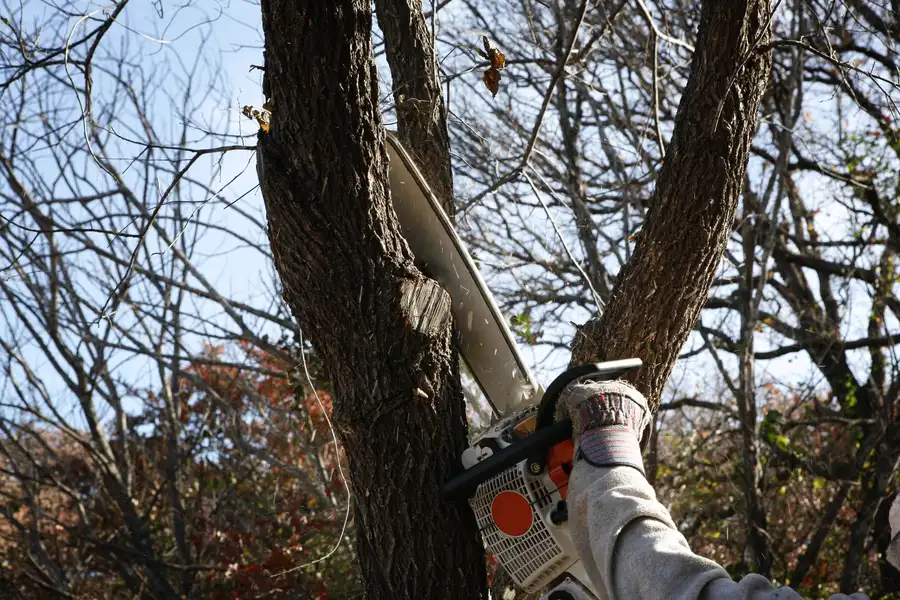
Landscape balance depends on spacing, height, and sight lines. When trees grow too close together, they block light and crowd plants. Strategic tree removal solves this issue by opening views and giving each element room to stand out. This approach highlights lawns, gardens, and hardscape features. It also helps property lines look clean and intentional. Well-spaced growth improves symmetry and supports a calm, organized look that many homeowners want.
Healthy Yards Depend on Selective Clearing
Not all plants thrive when large trees dominate the space. Limited light and root spread weaken grass and shrubs. Professional tree removal allows sunlight to reach the ground again. This change supports thicker lawns and stronger plant beds. It also reduces competition for water and nutrients. Over time, the yard looks greener and more even. These benefits add value and reduce ongoing maintenance stress.
Common Problems That Hurt Outdoor Appearance
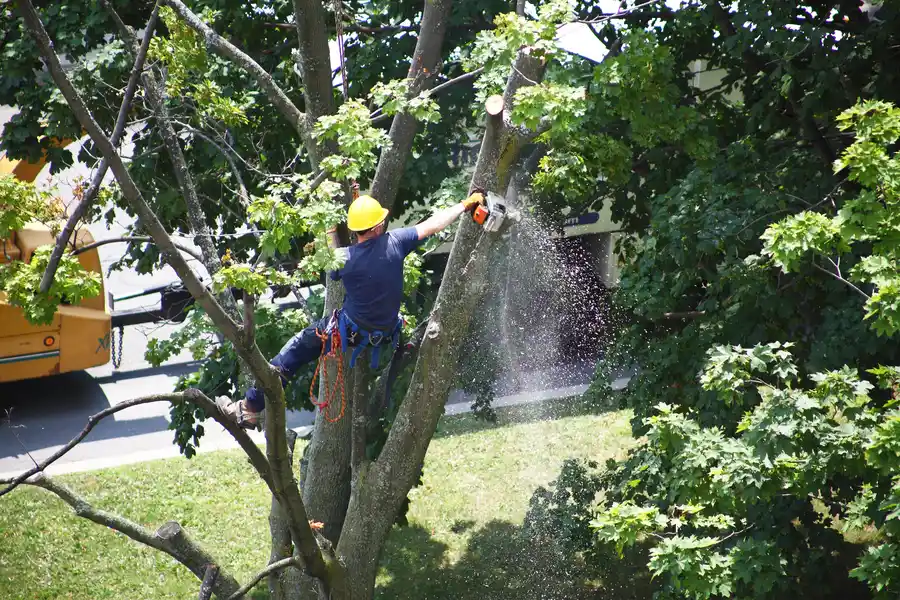
Many property owners notice issues but delay action. This choice often leads to worse results. Tree removal addresses common problems that damage looks and function. Ignoring warning signs can increase costs later. Typical challenges include:
- Crooked or leaning growth that disrupts clean lines
- Dead branches that create visual clutter
- Roots that lift walkways or damage edges
- Dense canopies that block sunlight
Steps That Improve Aesthetic Outcomes
A clear process helps prevent mistakes and protects design goals. Each step focuses on safety, planning, and long-term appearance. Follow this basic approach for best results:
- Assess plant health and spacing
- Identify trees causing shade or crowding
- Review seasonal impact and growth patterns
- Plan clearing to support the full layout
Pros and Cons of Clearing Large Trees
Weighing benefits and drawbacks helps you make informed choices. Visual goals matter, but so do costs and timing. Consider this overview before work begins:
- Pros: improved views, better light, safer spaces
- Cons: short-term disruption, permit needs, upfront cost
Best Practices That Protect Design Quality
Following proven standards keeps results consistent. Experts recommend planning with care and future growth in mind. These practices support lasting beauty:
- Schedule work during low-growth seasons
- Use proper grading after clearing
- Match new plantings to available light
- Maintain spacing to avoid future crowding
Rules, Permits, and Cost Factors
Local rules often guide clearing work. Some areas require permits for larger trees. Costs depend on size, location, and access. While prices vary, the value comes from improved safety and appearance. Clear sight lines and healthy plants reduce future fixes. Investing in proper clearing often saves money by preventing damage and repeat work.
Plan With Care for Lasting Landscape Appeal
Proper planning leads to strong visual results that last. Located in Plymouth, MA, we understand how local growth patterns affect outdoor design. To The Top Tree Service & Landscaping focuses on careful planning that supports balanced and attractive spaces. Call (508) 882-2212 to discuss options that protect beauty, safety, and long-term value.