
How Cutting Back Risky Growth Protects Plants and Soil Health
Garden diseases often start small and spread without notice. Fungal spores, pests, and rot can move fast between plants. Poor airflow and weak trees make this problem worse. Smart planning helps reduce these risks. Strategic cutting and clearing play a key role in keeping plants healthy. When problem growth is addressed early, gardens stay stronger. This approach supports soil balance, protects plants, and saves long term costs. Understanding how this process works helps you protect your garden with clear purpose.
Understanding How Disease Spreads Through Trees
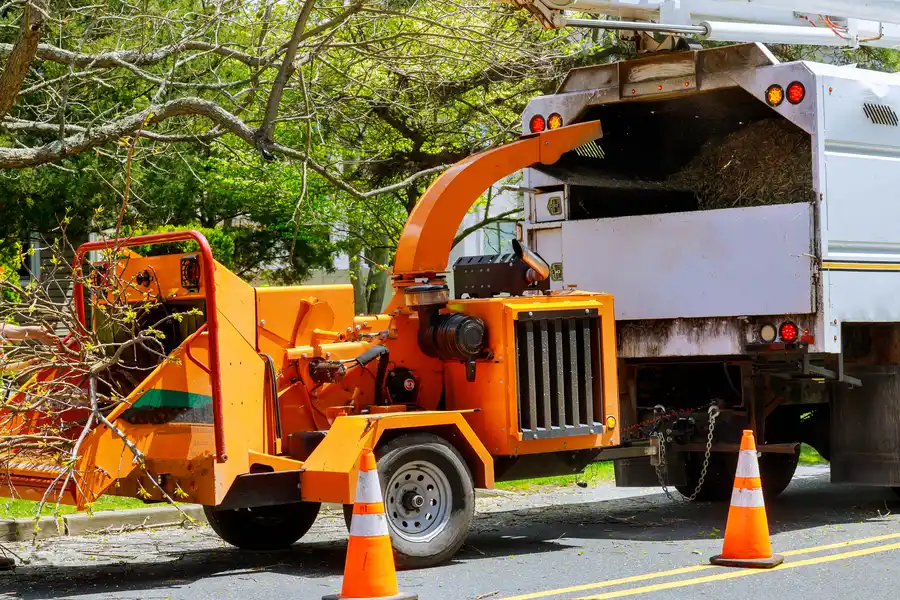
Tree Removal reduces disease pressure by stopping spread at the source. Sick trees often hold pests, fungus, and bacteria. These threats move through roots, soil, and air. Once established, disease can jump to nearby plants with ease. Removing the source breaks this cycle. It also improves sunlight exposure and airflow. These changes lower moisture levels that fungi need. Gardens benefit when one weak link does not infect the entire space.
Key Benefits That Support Healthier Garden Spaces
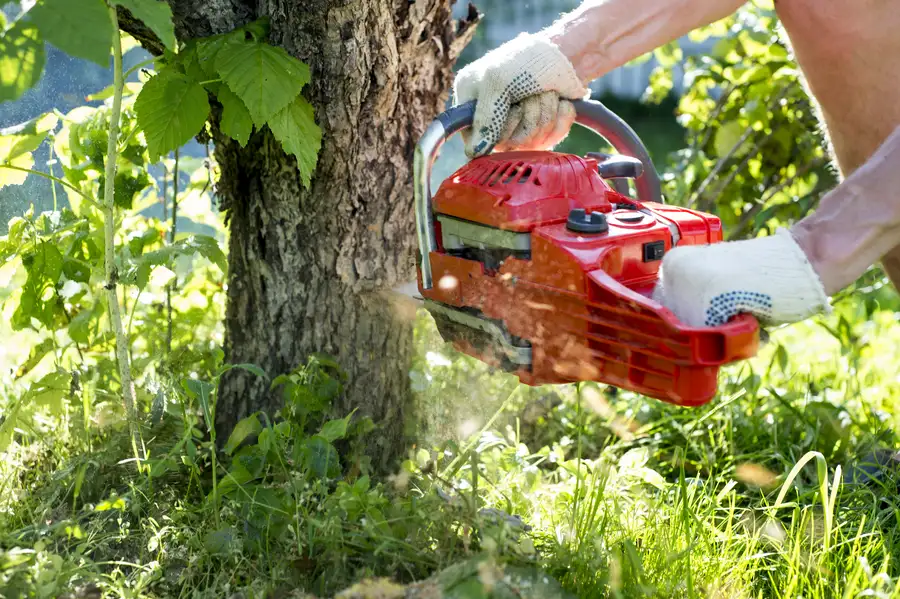
Tree Removal supports disease control while improving overall garden conditions. When risky growth is cleared, plants gain nutrients and space. Gardens become easier to maintain and monitor. The most common benefits include clear improvements you can see and measure.
- Better airflow reduces fungal growth
- More sunlight strengthens plant immunity
- Less pest nesting near garden beds
- Improved soil drainage around roots
Common Garden Problems Caused by Unhealthy Trees
Weak or dying trees create ongoing issues. They often shade plants too much and trap moisture below. Rotting roots can harm soil structure and drainage. Pests also gather in damaged bark and branches. These problems lead to repeated plant loss and frustration. Many gardeners treat symptoms without fixing the cause. Addressing the root issue saves time and effort across seasons.
Step by Step Process for Disease Prevention Planning
A clear plan helps reduce risk while protecting valuable plants. Each step builds on the last. Skipping steps can lead to recurring disease problems.
- Inspect trees for rot, fungus, or heavy pest activity
- Check spacing between trees and garden plants
- Review airflow and sunlight patterns
- Remove only growth linked to disease risk
- Clean tools to avoid spreading spores
Best Practices That Reduce Long Term Disease Risk
Experts suggest simple habits that keep gardens stable. These practices support healthy growth while preventing future issues.
- Schedule seasonal inspections
- Keep soil free of rotting debris
- Trim branches that block airflow
- Water plants early in the day
- Replace removed growth with resistant species
Comparing Removal Versus Leaving Problem Trees
Gardeners often hesitate before making changes. Comparing options helps guide better decisions.
- Removing problem trees improves airflow and health
- Leaving them increases disease spread and pest risk
- Clearing space supports balanced plant growth
- Ignoring issues leads to higher future costs
Costs, Value, and Industry Expectations
Costs depend on tree size, location, and risk level. Early action costs less than emergency work later. Industry standards stress safety, soil protection, and proper disposal. Local rules may require permits or inspections. Working within these standards protects you from fines and damage. The value comes from fewer plant losses and lower upkeep over time.
Smart Support for Safer Garden Health Plans
Located in Plymouth, MA, we help property owners protect their gardens with clear planning. To The Top Tree Service & Landscaping focuses on reducing disease risks through careful evaluation and safe methods. Call (508) 882-2212 to discuss next steps and long term prevention options. We work together to support healthier spaces and stronger growth for every season.