
Understanding How Smarter Canopy Care Supports Healthier Outdoor Spaces
Air movement and natural light play a huge role in yard comfort and plant health. Many properties suffer because thick branches block wind and sun. This leads to damp soil, weak grass, and poor plant growth. Homes can also feel darker and more humid. Controlled canopy care solves many of these issues. By shaping growth with purpose, yards gain steady air paths and cleaner light access. These changes improve safety, comfort, and overall property value over time.
Improved Airflow Through Canopy Management
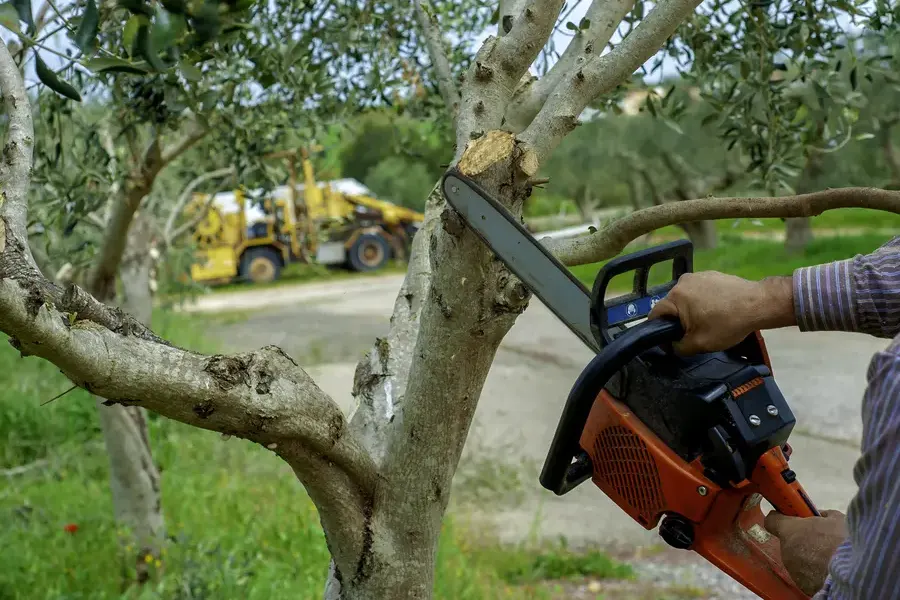
Tree Trimming helps open clear paths for air to move across your yard. Dense limbs trap moisture and stale air. This raises the risk of mold, pests, and plant disease. With fewer blockages, breezes dry wet surfaces faster. This helps lawns recover after rain and irrigation. Better air movement also reduces humidity near walls and roofs. Your outdoor space feels cooler during warm months.
Increased Sunlight Reaching Ground and Structures
Tree Trimming allows sunlight to reach areas once stuck in shade. Plants need steady light to grow strong roots and leaves. Grass under heavy cover often turns thin and patchy. Controlled branch removal lets light filter through without harming the tree. Sunlight also helps dry patios and walkways. This improves safety and reduces algae growth.
Common Problems Caused by Overgrown Trees
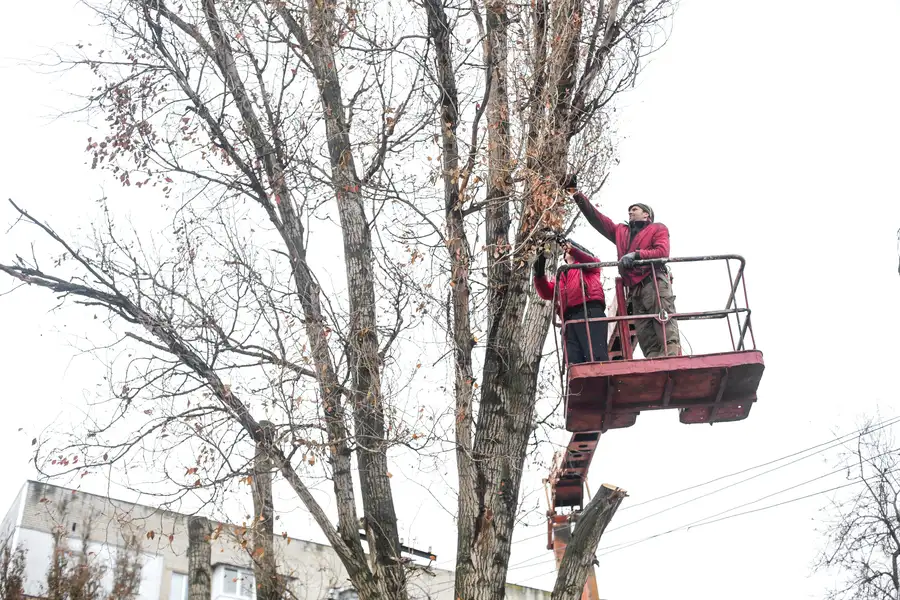
Unchecked growth causes several issues for homeowners. Branch crowding blocks wind and traps heat. Shade-loving pests thrive in these damp zones. Structures may stay wet longer after storms, which speeds decay. Gardens may struggle due to uneven light patterns. These problems often grow slowly, so many people notice them too late.
Steps to Restore Balance With Proper Canopy Care
A clear process helps restore airflow and light without stressing trees. Each step focuses on balance and structure.
- Inspect the canopy for dense or crossing branches
- Remove dead or damaged limbs first
- Thin inner growth to allow wind movement
- Shape outer branches to guide sunlight
- Check results during different times of day
Best Practices That Protect Tree Health
Smart care protects long-term strength while improving your space. These practices follow arborist guidance and reduce risk.
- Trim during proper seasons for each species
- Avoid cutting more than one quarter at once
- Use clean, sharp tools for every cut
- Keep cuts outside the branch collar
- Schedule routine inspections each year
Weighing Benefits and Drawbacks Before Service
Every property is different, so it helps to compare outcomes.
- Pros: Better airflow, more sunlight, lower moisture problems
- Pros: Healthier lawns and improved outdoor comfort
- Cons: Short-term cost and need for repeat visits
- Cons: Risk if work is rushed or poorly planned
Industry Standards, Rules, and Safety Needs
Professionals follow clear standards to protect trees and people. Safety rules require proper equipment and training. Many cities limit how much canopy you can remove. Power line clearance often follows utility guidelines. Certified arborists understand these rules and apply them correctly. This prevents fines and long-term damage.
Cost Factors and Long-Term Value
Pricing depends on tree size, access, and location. Taller trees with dense canopies cost more to manage. Regular care often costs less than emergency work. Improved airflow lowers moisture damage risks. More sunlight improves plant growth, which saves replacement costs. Over time, these gains outweigh service expenses.
Taking the Next Step Toward Healthier Growth
Located in Plymouth, MA, we help property owners improve light and air balance safely. To The Top Tree Service & Landscaping focuses on smart canopy solutions that protect long-term tree health. Call (508) 882-2212 to discuss your needs and schedule an on-site review. We work with proven methods that support comfort, safety, and steady outdoor improvement.