
Clear Signals That Your Yard Needs Skilled Care and Attention
Trees add shade, safety, and value to your yard when they stay healthy. When problems start, the signs often appear slowly. Many property owners miss these clues until damage spreads. Overgrown branches can risk roofs, power lines, and people below. Diseased limbs can weaken the whole tree. Knowing what to watch for helps you protect your space early. This guide explains common warning signs, real risks, and smart next steps. It also covers costs, standards, and safe care methods you can trust.
Overgrown Branches That Affect Structures and Safety
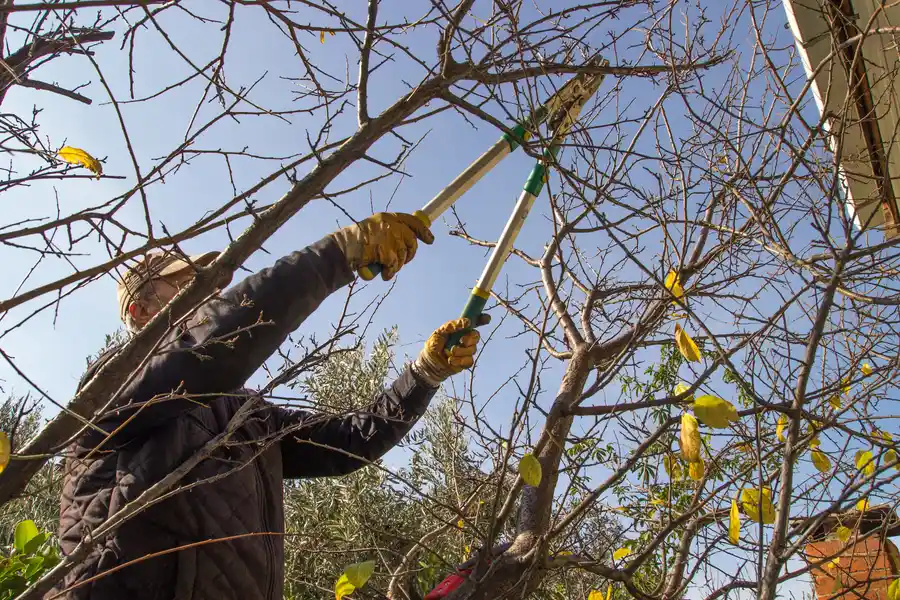
Branches that touch roofs, walls, or wires signal a need for tree trimming by trained crews. These limbs rub surfaces during wind and storms. The friction damages shingles and siding. Hanging branches also block walkways and driveways. This raises injury risks for guests and residents. Rapid growth after wet seasons makes this problem worse. Professionals know how to remove weight without harming the tree. Early action lowers repair costs and reduces emergency calls.
Dead or Dying Limbs That Threaten Tree Health
Dead branches often look dry, cracked, or leafless. They break without warning. That danger grows during storms. Pruning these limbs is not simple yard work. Expert tree trimming uses cuts that stop rot from spreading. Poor cuts trap moisture and invite pests. Arborists check limb collars and grain direction. These details keep the tree stable and improve long term growth.
Visible Disease, Pests, and Fungal Growth
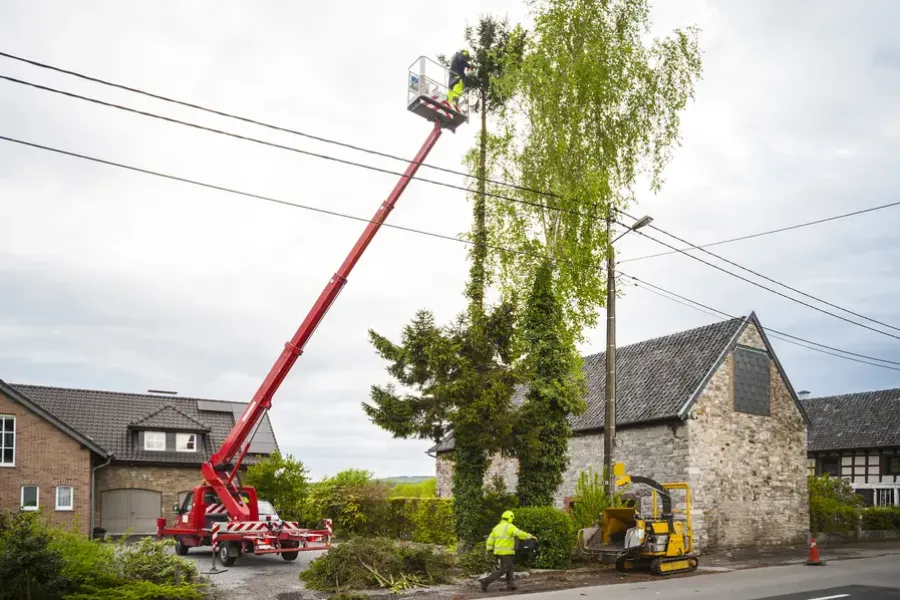
Spots on leaves, oozing bark, or shelf-like fungi show disease. Insects like borers leave holes and sawdust. These issues spread fast if ignored. Some infections move through shared branches. Others weaken root systems. Removing affected limbs limits damage. Professionals identify causes before cutting. This avoids stress that makes conditions worse.
Benefits and Drawbacks of Skilled Tree Care
Hiring experts brings clear upsides, yet some owners worry about cost. A fair view helps decision making.
- Pros: improved safety, better growth shape, lower storm damage risk
- Pros: disease control, longer tree life, higher property value
- Cons: upfront cost, scheduling needs, short term yard disruption
Common Challenges Homeowners Face With Maintenance
Many people delay care due to busy schedules or cost worries. Others attempt do-it-yourself work without tools or training. Ladders, chainsaws, and falling limbs cause many injuries each year. Weather timing also matters. Cutting during wrong seasons harms growth. Another challenge is spotting early issues before damage shows. Routine inspections solve most of these problems.
Safe Process Professionals Follow During Service
Experienced crews follow clear steps to protect people and property. This process ensures consistent results.
- Inspect the tree, soil, and nearby structures
- Identify hazards, disease, and growth stress points
- Plan cuts to balance weight and airflow
- Use safety gear and controlled cutting methods
- Clean debris and review follow-up care needs
Best Practices That Support Strong Tree Growth
Ongoing care improves results after any service. These habits follow widely accepted standards.
- Schedule inspections every one to three years
- Avoid topping, which causes weak regrowth
- Water during long dry periods
- Mulch roots but keep mulch off the trunk
- Address pest signs early
Industry Standards, Rules, and Cost Factors
Certified arborists follow guidelines from groups like ANSI and ISA. These rules define safe cut sizes and timing. Local cities may also regulate work near streets or power lines. Costs depend on tree size, height, access, and risk level. Emergency work costs more due to labor and equipment demands. Regular care often costs less over time and prevents urgent problems.
Next Steps for Professional Tree Care Support
Located in Plymouth, MA, we help property owners protect their landscapes year round. To The Top Tree Service & Landscaping focuses on safe, reliable solutions that fit real needs. We assess risks, explain options, and plan work carefully. Call (508) 882-2212 to schedule an inspection and discuss clear pricing. Together, we keep trees healthy, strong, and safe for every season.