
How Proper Water Flow Protects Outdoor Spaces Over Time
Poor drainage causes more problems than many property owners expect. Standing water harms plants, soils, and hard surfaces. Over time, hidden water issues raise repair costs and reduce curb appeal. Drainage controls where water goes after rain or irrigation. When water moves with purpose, outdoor areas last longer and look better. When it does not, damage spreads fast. This guide explains why drainage matters, what problems it prevents, and how to manage it the right way.
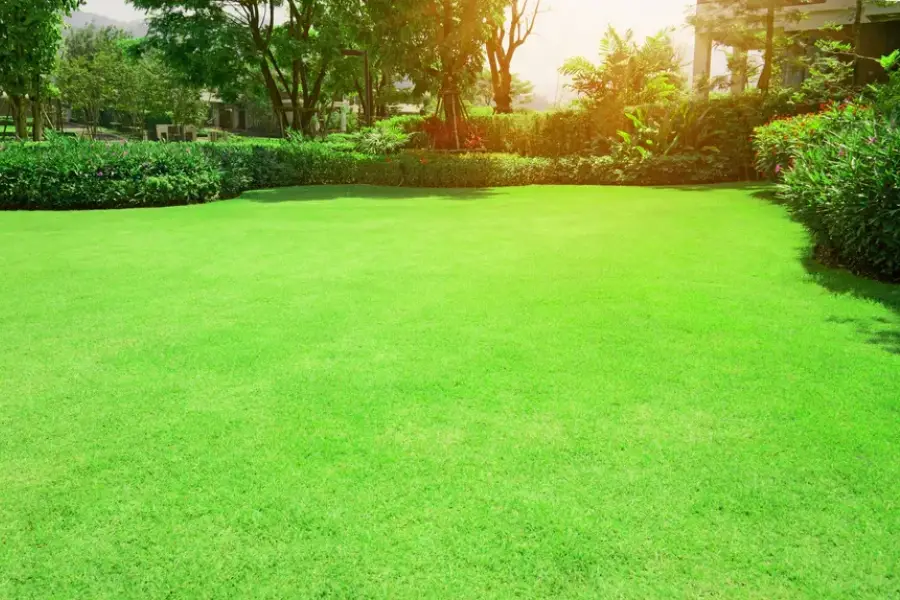
With Healthy Yards Starting From Water Control
Strong drainage supports every part of Landscape Maintenance by protecting soil structure and plant roots. When water drains well, oxygen reaches roots and plants grow steady. Turf stays firm underfoot and resists disease. Beds keep shape instead of washing out. Water also stays away from foundations and walkways. This balance saves time on repairs and keeps outdoor spaces usable after storms.
With Common Drainage Problems Property Owners Face
Many drainage failures stem from poor grading and compacted soil in Landscape Maintenance plans. Water pools near structures and breeds mold. Slopes send runoff into beds, washing mulch away. Clay soils trap water and suffocate roots. Clogged drains cause backups after light rainfall. These issues lower plant survival and create safety risks like slippery paths.
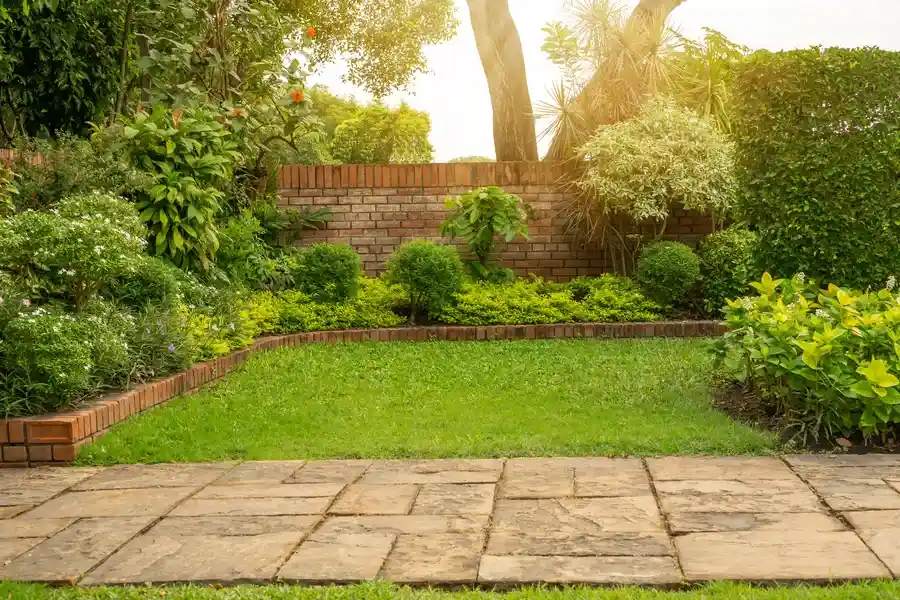
With Clear Steps to Fix Water Flow Issues
Solving drainage starts with simple observation, then moves to targeted fixes. Spot where water collects after rain. Check slope direction and soil type. Install solutions that match the problem and site size.
- Regrade soil so water runs away from structures
- Add surface drains in low spots
- Use gravel trenches to move water underground
- Improve soil with organic matter for better absorption
With Best Practices Professionals Rely On
Experienced crews follow tested guidelines to avoid repeat issues. They plan drainage before planting and paving. They also allow room for heavy rainfall events that strain systems.
- Keep a minimum slope away from buildings
- Choose plants that match site moisture levels
- Clean drains and grates twice per year
- Avoid hard surfaces that block natural absorption
With Industry Rules and Local Requirements
Drainage work often falls under local codes and water rules. Many areas require runoff control to protect streets and waterways. Some systems need permits before digging begins. Property lines, easements, and storm connections also matter. Following these rules avoids fines and prevents system removal later.
With Cost Factors and Long Term Value
Drainage costs depend on soil, slope, and system type. Simple grading costs less than buried piping. While upfront costs can seem high, repairs later cost more. Proper water control protects plants, paving, and structures. That protection lowers long term spending and supports property value.
- Pros: fewer repairs, healthier plants, safer walkways
- Cons: upfront planning time, install costs
With A Simple Process for Ongoing Care
Drainage systems need checks to keep working well. A basic routine helps avoid surprise failures.
- Inspect after heavy rain
- Remove debris from inlets
- Watch for new pooling areas
- Address soil settling early
With Expert Support for Smarter Outdoor Care
Located in Plymouth, MA, we help property owners protect their landscapes through smart water planning. To The Top Tree Service & Landscaping provides clear solutions built for long term performance. Our crews focus on prevention and reliable results. Call (508) 882-2212 to discuss drainage options that fit your space and goals.